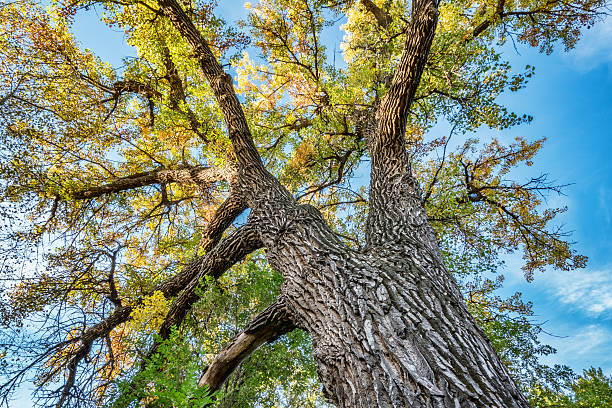
Discover the State's Most Impressive Giants
Oklahoma may be known for its wide-open prairies and rolling plains, but hidden among its landscapes are some of the most massive trees in the American Midwest. If you're searching for the Oklahoma's largest tree, you've come to the right place. From towering cottonwoods in the northwest to ancient bald cypresses in the southeast, the Sooner State boasts champion trees that rival those in much wetter climates.
Whether you're a nature lover, hiker, or simply curious about Oklahoma's natural wonders, this guide to Oklahoma's largest tree will take you through the state's top giants. We'll cover the current record holder, historic heavyweights, and tips for visiting these living legends—all optimized to help you find exactly what you're looking for.
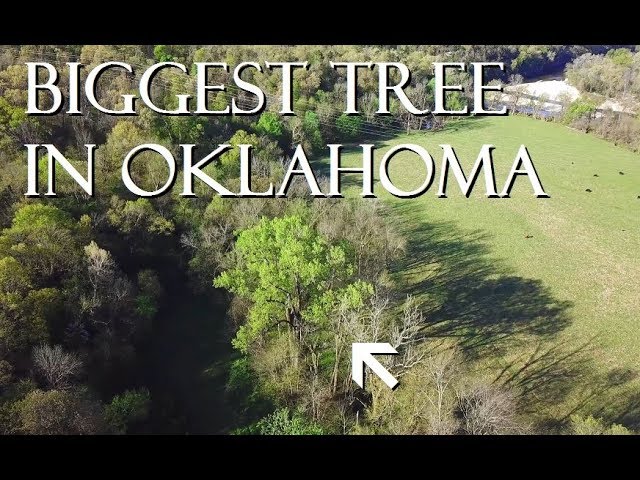
The Biggest Tree in Oklahoma
How Oklahoma Determines Its "Largest" Trees
Oklahoma's champion trees are ranked using a standardized points system managed by the Oklahoma Forestry Services and the Oklahoma Forestry Association. The formula is simple yet effective:
Total Points = Circumference (inches at breast height) + Height (feet) + (Average Crown Spread in feet ÷ 4)
This system emphasizes overall size, giving credit to trees with massive trunks (like cottonwoods) while also rewarding height and spread. The state maintains an official registry of nearly 100 champion and co-champion trees across dozens of species. The list is updated periodically, with the most recent comprehensive data from 2014 and refinements in recent years.
These aren't just the tallest trees—they're the largest by volume and presence. And yes, Oklahoma's largest tree holds the top spot with an impressive 448 points!
Meet the Largest Tree in Oklahoma: The Eastern Cottonwood Champion
Currently Oklahoma's largest tree, is a magnificent Eastern Cottonwood (Populus deltoides) located in Woodward County, near the town of Woodward in northwest Oklahoma.
This behemoth stands out with:
- Circumference: 326 inches (that's over 27 feet around the trunk!)
- Height: 98 feet
- Crown Spread: 94 feet
- Total Points: 448
Native to Oklahoma's river valleys and floodplains, Eastern Cottonwoods are fast-growing giants that thrive in the state's variable climate. This champion, measured in recent years, edges out competitors thanks to its enormous girth. It's a true symbol of Oklahoma's resilient natural heritage, providing shade, wildlife habitat, and a stunning sight for anyone lucky enough to glimpse it.
While exact public access to this private property tree isn't always straightforward, enthusiasts often catch views from nearby roads or during guided nature tours in the area. If you're road-tripping through western Oklahoma, keep an eye out—cottonwoods like this one dominate the landscape along the Canadian River.
The Historic Giant: Oklahoma's Legendary Bald Cypress
No discussion of the biggest tree in Oklahoma is complete without honoring the state's most famous former champion: a colossal Bald Cypress (Taxodium distichum) that once held the title.
Located near Eagletown in McCurtain County (southeast Oklahoma), this tree was legendary in the mid-20th century. At its peak, it measured:
- Over 32 feet in circumference
- 118 feet tall
- Nearly 100 feet in crown spread
Tragically, it was struck by lightning and destroyed in 1982. Locals still share stories of this "Giant Cypress," which drew visitors from across the region.
But the bald cypress story isn't over! Oklahoma's current state champion bald cypress thrives in the Little River National Wildlife Refuge, also in McCurtain County. This living giant boasts:
- Circumference: 292 inches
- Height: 128 feet (making it one of the tallest trees in the state)
- Crown Spread: 77 feet
- Total Points: 439
It's the second-largest tree overall and offers a glimpse into what Oklahoma's ancient forests once looked like. The refuge is open to the public—perfect for a day of birdwatching and tree-gazing.

Bald Cypress | Oklahoma State University
A majestic Bald Cypress in its natural habitat, reminiscent of Oklahoma's champion specimens.
Other Massive Champion Trees Worth Seeing in Oklahoma
Oklahoma's champion tree list features dozens of record-holders. Here are a few standouts:
| Tree Species | Location | Key Measurements | Total Points |
|---|---|---|---|
| American Sycamore | Tulsa County | 281" circ, 119' tall, 117.5' spread | 429 |
| Black Walnut | Bixby (Tulsa area) | Massive trunk, huge crown | Top in class |
| Pecan | Johnston County | 270" circ, 82' tall, 114' spread | 381 |
| Shumard Oak | McCurtain County | 220" circ, 99' tall, 111' spread | 346 |
The black walnut in Bixby is a local favorite, often photographed for its stately form. Southeast Oklahoma's McCurtain County is a hotspot, with over 30 champions thanks to its humid, forested terrain.
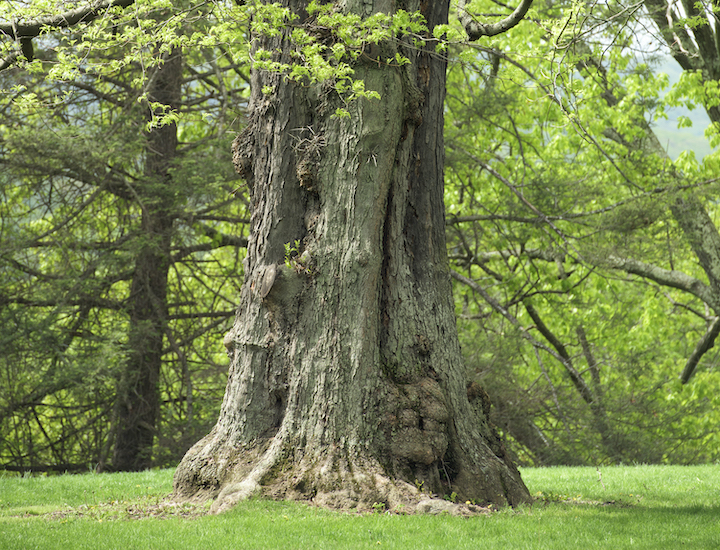
Champion Trees Registry - American Forests
A towering champion tree trunk, highlighting the impressive girth of Oklahoma's giants.
Planning Your Visit to Oklahoma's Giant Trees
Ready to see the largest tree in Oklahoma up close? Here's how:
- Start in Woodward: Drive the backroads for cottonwood views. Pair it with a stop at the Woodward County Fairgrounds or local parks.
- Head to McCurtain County: Visit Little River National Wildlife Refuge (free entry) for the bald cypress and other champions. It's about 4 hours southeast of Oklahoma City.
- Check the Official Registry: Download the latest list from the Oklahoma Forestry Services and nominate your own find!
- Best Time to Go: Spring for blooming understory or fall for vibrant foliage. Always respect private property.
Pro tip: Combine your tree hunt with Oklahoma's scenic byways, like the Talihena Scenic Drive, for an unforgettable road trip. While your out there, you might find a few of the states oldest trees, like the bald cypress.
Why These Trees Matter to Oklahoma
Beyond their size, these champion trees play vital roles in the ecosystem—sequestering carbon, supporting biodiversity, and inspiring awe. They remind us of Oklahoma's rich history, from Native American lands to pioneer settlements.
Protecting them is key. Climate change, development, and storms threaten these icons, but programs like the state's champion registry help raise awareness.
Next time you're in the Sooner State, detour to one of these giants. You won't just see the largest tree in Oklahoma—you'll experience a piece of living history.