Heavy clay soil presents a unique challenge for gardeners and homeowners, as it compacts easily, drains poorly, and can limit root growth for many plants. However, with the right choices, you can successfully establish beautiful, long-lasting trees that thrive in these tough conditions. If you're searching for trees to plant in clay soil, focus on species known for tolerance to poor drainage, compaction, and occasional waterlogging.
This guide highlights some of the best trees to plant in clay soil, especially suited to regions like the Midwest (including areas around Wichita, Kansas, where heavy clay is common). These selections draw from expert recommendations by university extensions, nurseries, and arborists. Many are native or well-adapted, offering shade, wildlife benefits, and seasonal interest while handling clay's challenges.
Top Trees to Plant in Clay Soil
Here are reliable options that perform well in heavy clay:
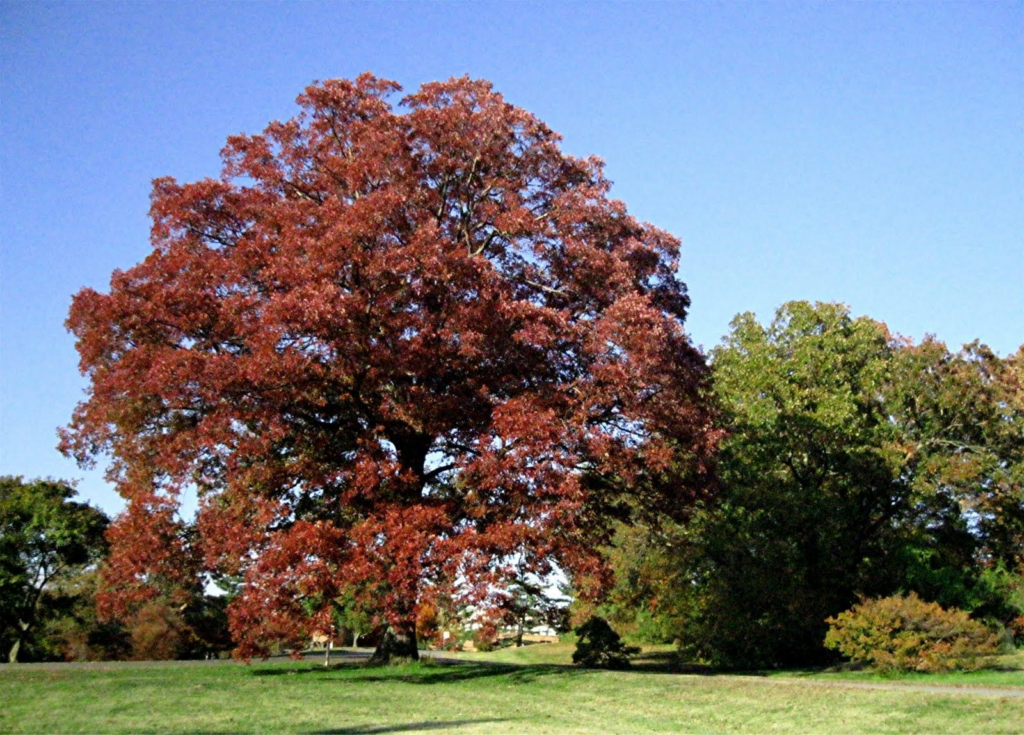
- Bur Oak (Quercus macrocarpa) A Midwest native superstar, bur oak is one of the toughest trees to plant in clay soil. It tolerates compacted, alkaline clay, drought once established, and even occasional flooding. With a broad canopy, corky bark, and golden fall color, it provides excellent shade and acorns for wildlife. Ideal for large yards in Kansas and beyond.
- Swamp White Oak (Quercus bicolor) Excellent for wetter clay sites, this oak handles poor drainage better than most. It thrives in heavy clay with periodic saturation, offering reliable fall color and strong structure. A great choice among trees to plant in clay soil for low-maintenance beauty.
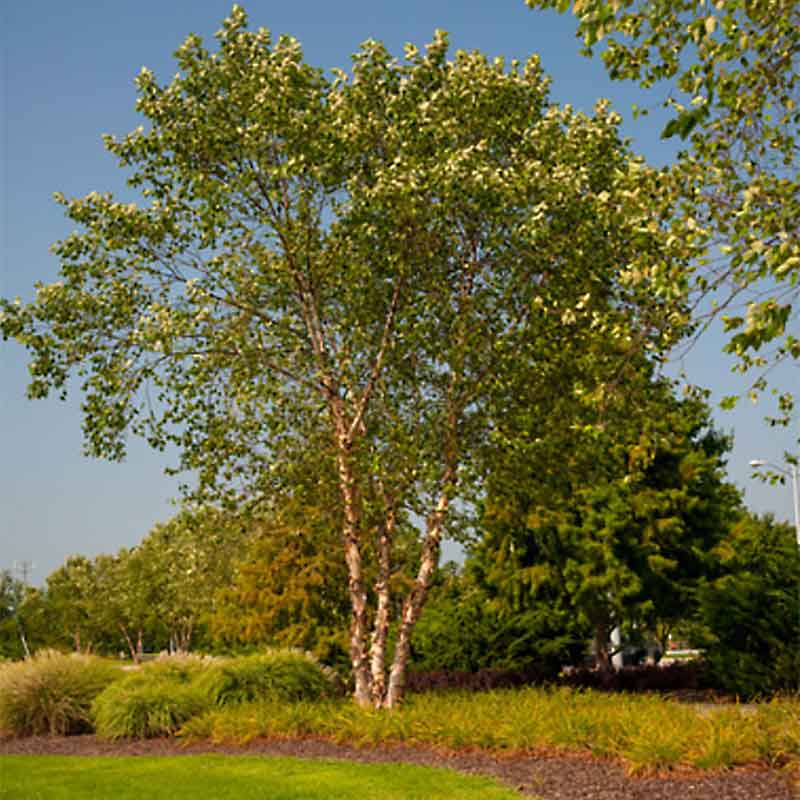
- River Birch (Betula nigra) With attractive peeling bark and tolerance for moist to wet clay, river birch is a favorite ornamental. Cultivars like 'Heritage' or 'Dura-Heat' resist issues common in clay and provide year-round interest.
- Honey Locust (Gleditsia triacanthos) Thornless varieties (like 'Skyline' or 'Shademaster') excel in heavy clay, tolerating compaction, drought, and urban pollution. They offer dappled shade and fine-textured leaves that turn golden in fall.
- Crabapple (Malus spp.) Many crabapples, such as 'Show Time' or other hardy cultivars, are among the best trees to plant in clay soil for smaller spaces. They deliver spring blooms, colorful fruit, and fall foliage while adapting well to heavy soils.
- Bald Cypress (Taxodium distichum) This deciduous conifer loves wet, heavy clay and even standing water. It develops "knees" in soggy spots but grows tall and stately with soft, feathery needles that turn bronze in autumn.
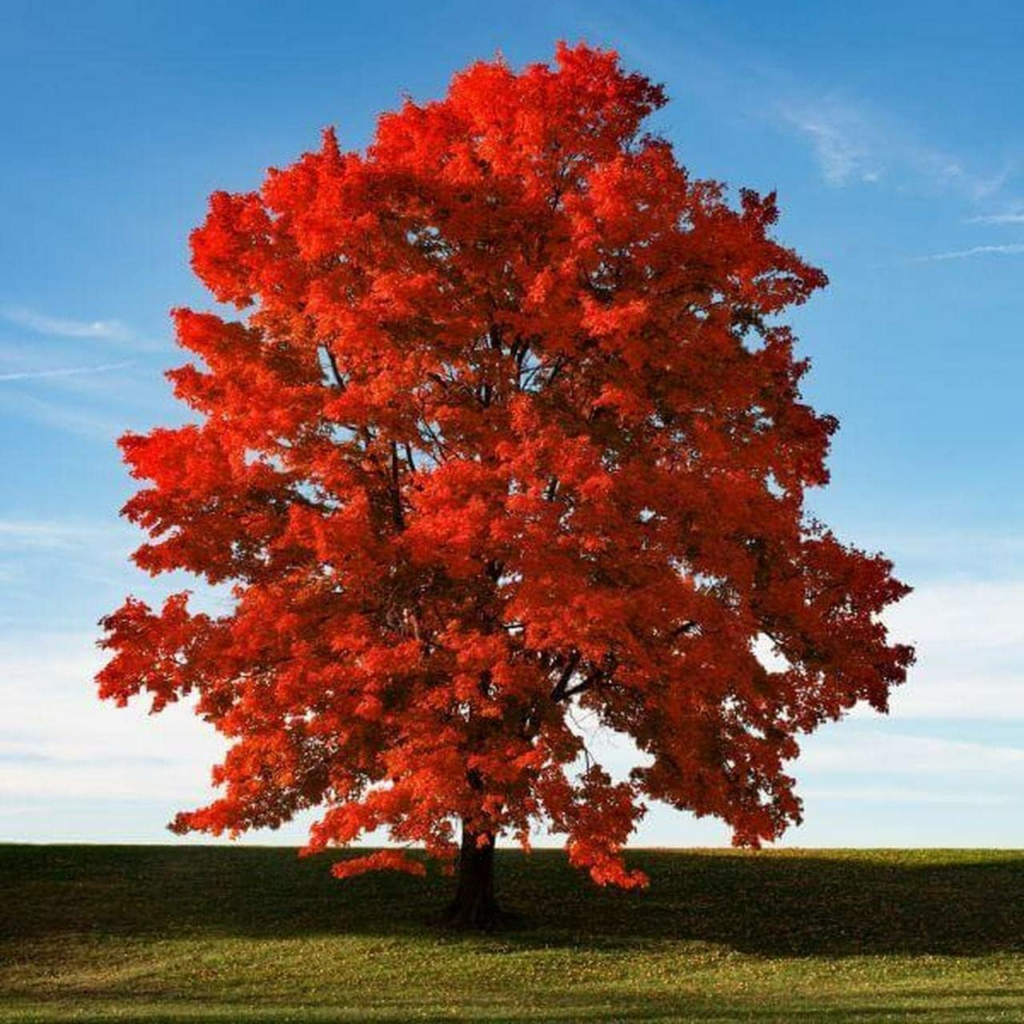
- Red Maple (Acer rubrum) Highly adaptable, red maples handle clay's moisture retention and provide stunning red fall color. They're fast-growing and widely available.
Other strong contenders include ginkgo, serviceberry (in tree form), hackberry, and certain pines like Austrian or Scots for evergreen options.
Tips for Success with Trees to Plant in Clay Soil
- Amend the Planting Hole: Dig wide (2-3x the root ball width) but not too deep. Mix native soil with compost or organic matter to improve drainage without creating a "bathtub" effect.
- Plant Slightly High: Set the root flare at or above soil level to prevent rot in poor-draining clay.
- Mulch Generously: Apply 2-4 inches of organic mulch to retain moisture, suppress weeds, and moderate soil temperature.
- Water Wisely: Deep, infrequent watering helps roots establish deeply; avoid overwatering once settled.
- Choose Native or Adapted Varieties: Midwest natives like bur oak or swamp white oak often outperform exotics in local clay.
Why These Choices Work in Heavy Clay
Heavy clay holds nutrients well but restricts oxygen and drainage. The trees to plant in clay soil listed here have deep or fibrous roots that penetrate compacted layers, tolerate wet feet, and resist issues like chlorosis in alkaline conditions common in places like Kansas.
By selecting from these proven performers, you'll create a resilient landscape that enhances your property for decades. Consult local extension services (like K-State in Kansas) for site-specific advice or soil testing.
Ready to transform your clay-challenged yard? These trees to plant in clay soil offer beauty, function, and toughness—perfect for turning a tough site into a thriving oasis!
Quick Comparison Table: Trees for Heavy Clay Soil
| Tree | Height (ft) | Growth Rate | Wet Tolerance | Drought Tolerance (once established) | Notes |
|---|---|---|---|---|---|
| River Birch | 40–70 | Fast | High | Medium | Best bark interest |
| Bald Cypress | 50–70+ | Medium | Very High | High | Deciduous conifer |
| Red Maple | 40–60 | Medium | High | Medium | Stunning fall color |
| Honey Locust | 30–50 | Medium-Fast | Medium | High | Dappled shade, thornless options |
| Bur Oak | 60–80+ | Slow-Medium | Medium | High | Long-lived native |
| Kentucky Coffeetree | 60–75 | Medium | Medium | High | Unique look, tough |
Tips for Success in Heavy Clay
- Amend the Hole: Mix native soil with 20–30% compost or organic matter—avoid pure topsoil backfill.
- Plant High: Set the root flare slightly above soil level to prevent rot.
- Mulch Generously: 3–4 inches of organic mulch retains moisture and improves soil over time.
- Water Wisely: Deep, infrequent watering helps roots go deep; avoid overwatering in soggy clay.
- Choose Natives: In Oklahoma, prioritize species like bald cypress, bur oak, or Kentucky coffeetree for best adaptation.
- Avoid: Trees like pin oak (prefers acidic), willows (too aggressive roots), or most fruit trees without heavy amendment.
Planting the right tree in clay soil turns a problem into an asset. These species not only survive—they create beautiful, resilient landscapes.
Have heavy clay in your yard? Which tree are you considering? Share your experiences or location for more tailored suggestions!