One of the most immediate and visible roles trees play is environmental stewardship. In urban settings, they mitigate the urban heat island effect by providing shade and cooling through evapotranspiration (the process where water evaporates from leaves), lowering surface and air temperatures significantly. Studies show that well-placed trees can reduce energy demands for air conditioning by up to 10% or more, leading to lower utility bills and fewer greenhouse gas emissions from power plants.
Trees also act as natural air filters. Their leaves capture airborne pollutants like particulate matter (PM), nitrogen oxides, sulfur dioxide, ozone, and carbon monoxide—removing hundreds of thousands of tons of pollution annually across U.S. cities. Dense roadside trees can cut downwind pollutants by around 30%. This cleaner air translates to real public health gains, including fewer respiratory issues, reduced asthma hospitalizations (especially in children), and even lower rates of heat-related illnesses and deaths. Increasing tree cover by just 10% in some cities has been linked to dozens or even thousands fewer premature deaths per year.
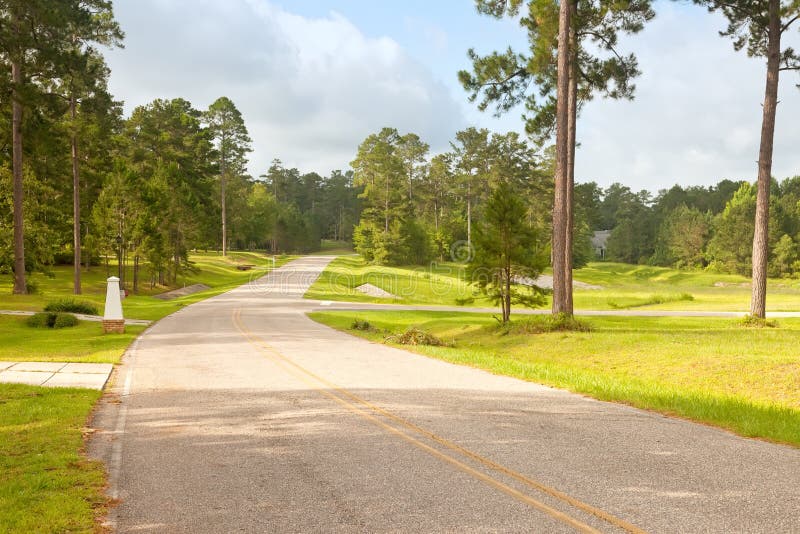
Beyond the environment, trees deliver powerful social and psychological benefits. Neighborhoods with abundant trees foster stronger community ties—people are more likely to know their neighbors, spend time outdoors, and feel a greater sense of safety and belonging. Green spaces encourage physical activity, reduce stress, anxiety, and depression, and improve mental well-being. Research consistently shows that views of trees from homes or schools correlate with better focus, higher test scores in children, and even lower levels of violence, vandalism, and aggression in some areas. Trees create gathering spots—under their shade, families picnic, friends meet, and community events thrive.
Economically, trees are a smart investment. Properties with mature, well-maintained trees often see higher real estate values—sometimes 3-15% more—because they enhance curb appeal, desirability, and overall neighborhood attractiveness. Businesses in tree-lined areas benefit from increased foot traffic and customer satisfaction. Trees reduce stormwater runoff by intercepting rainfall, easing pressure on drainage systems and lowering costs for flood control and water treatment. Urban forests provide measurable returns: cleaner air, energy savings, carbon sequestration, and pollution avoidance deliver billions in annual value nationwide.
Tree planting and care also build community pride and unity. Community-led planting events bringresidents together, create shared purpose, and empower people to improve their surroundings. Many programs turn barren lots into vibrant green spaces, transforming neighborhoods visually and functionally.
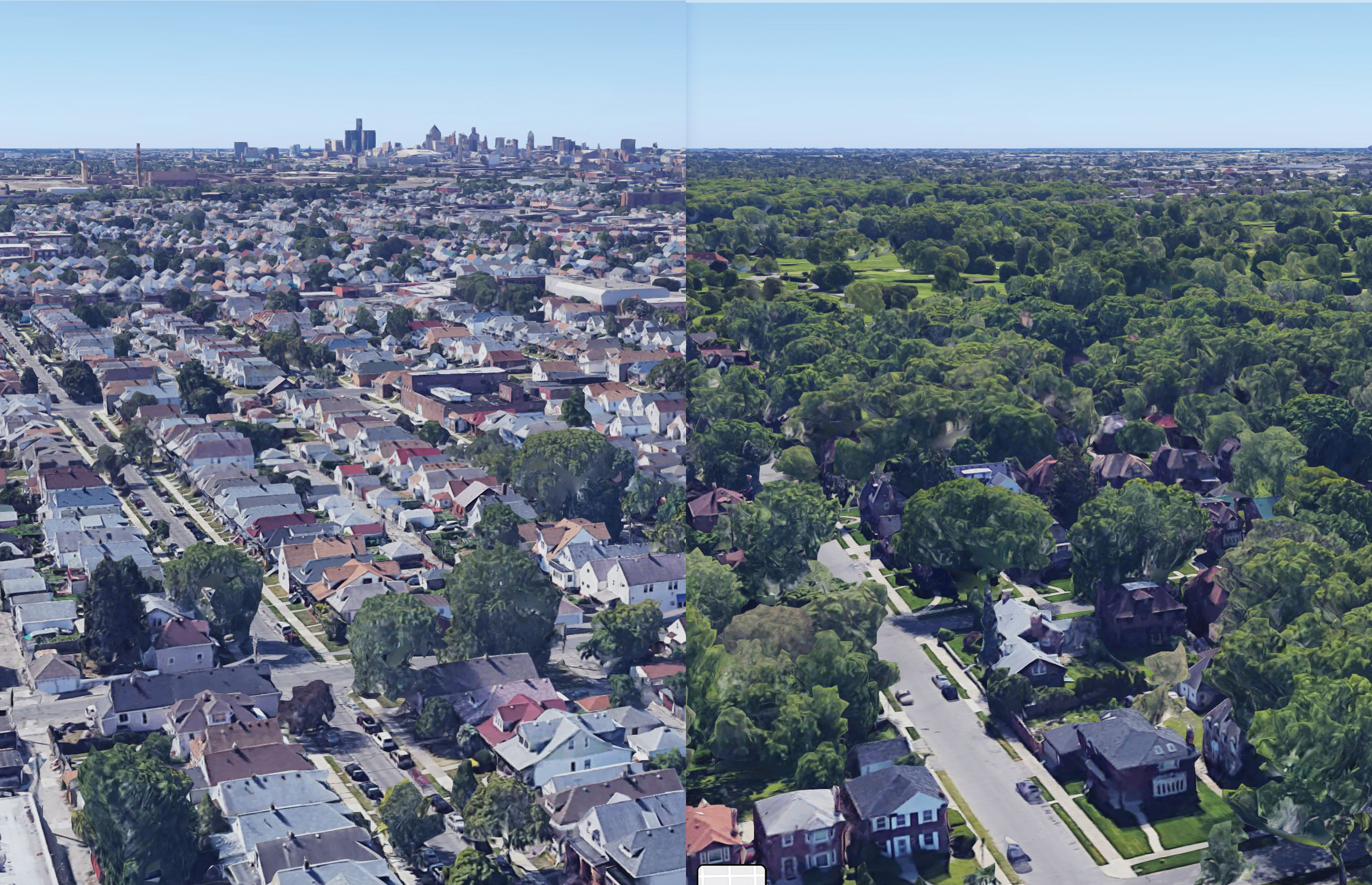
In short, trees are essential infrastructure for thriving communities. They cool our streets, purify our air, boost our health, strengthen our social fabric, and add lasting economic value. Protecting existing trees and thoughtfully expanding tree canopies—especially in underserved areas where "tree equity" gaps often exist—is one of the most effective, natural ways to build healthier, more sustainable, and connected places for everyone. When we invest in urban forests, we invest in the well-being of our communities for generations to come.